When it comes to the best seasons for Uluru in 2026, you are really asking what kind of trip you have in mind and how much comfort and timing matter. For the majority of travellers the short answer is to put your money on autumn or winter; from May through August you will find the most dependable tour departures, clearer conditions for a walk and daytime temperatures that are not overbearing. You can also savour the Uluru sunrise without having been done in by the outback heat before you have had your breakfast.
Of course, if your plans revolve around a family outing, photography, hiking or keeping to a budget, the calculus changes somewhat. September in spring is fine, but as you get to late October and the summer months the red centre can be as rough as guts at midday. I am Seraphina Whitmore and my experience with regional travel has taught me that while desert beauty is there to be had, it will punish you for casual planning. The Uluru sunrise magic is no illusion, but neither is the dust, the bush flies, heat stress or the regret of having packed the wrong pair of shoes.
The Importance of the Season
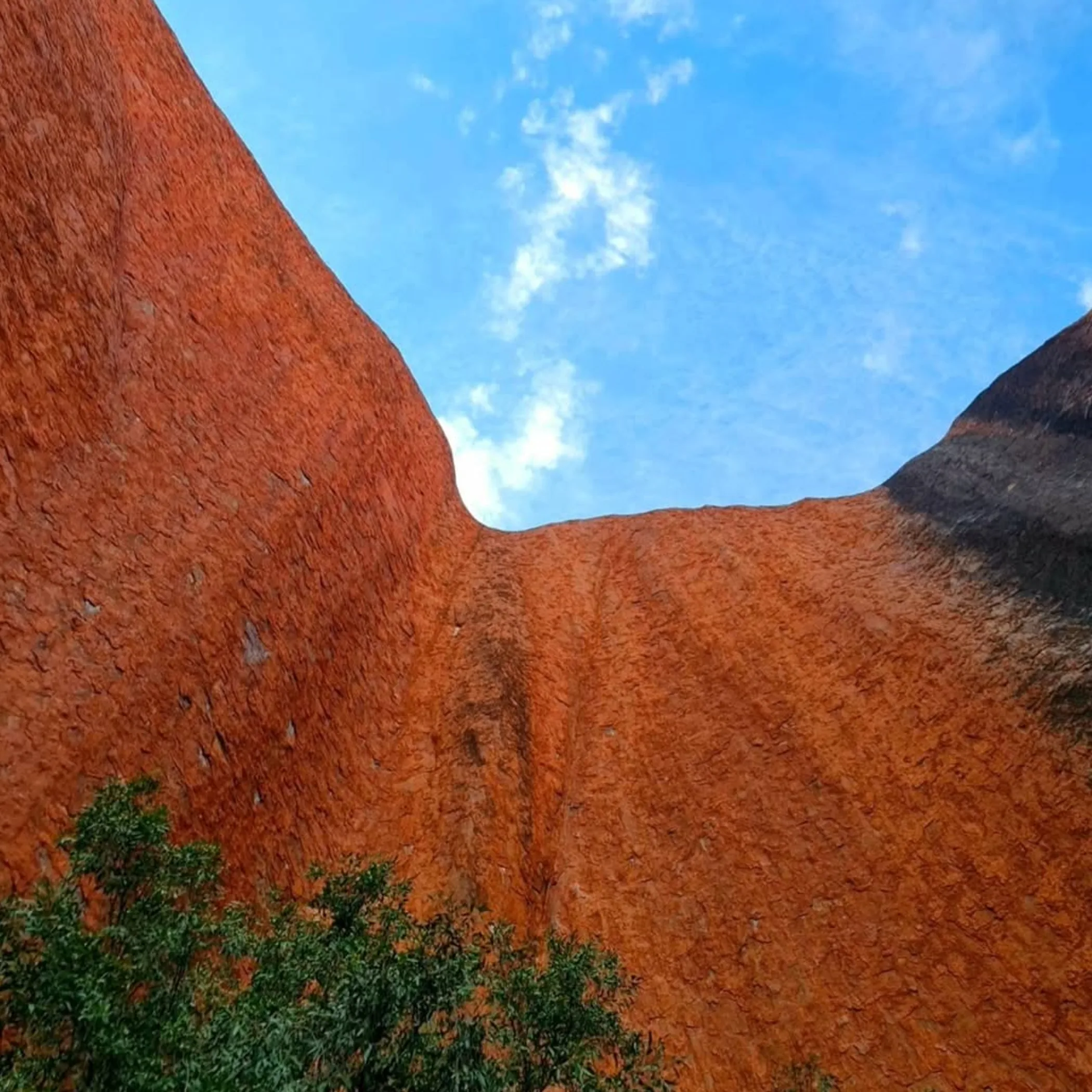
One does not adopt a “she’ll be right” attitude at Uluru. From off in the distance the terrain appears as flat and untroubled as a pancake, yet the season will dictate your entire experience, down to whether you are putting in the base walk or have made for the air-conditioning at 10.00 am. It is the time of year that makes a sunrise either a peaceful affair or something of a survival exercise.
What one might not expect is the exposure of the place. Distances are more than they seem, key walks have scant shade and after a warm day in winter the nights can see a sharp drop in temperature. To make the most of an Uluru sunrise you need a good head for how far your party can go on foot, plenty of water and the right clothes in layers.
A Quick Recommendation
For a single recommendation I would say any of May, June, July or August. They are the months for comfortable sightseeing and the colours of a sunset or sunrise, and if you are at Ayers Rock Resort and up for an early start, you will be well served. The cool mornings in these months afford a better view and the air is clearer.
Then there is March, April and September for those who do not want the icy dawns and like their morning a degree or two warmer. But from late October to February things are more of a trial for some; the outback heat and the wet season can impinge on your safety and your desire to get out and about. You can have your Uluru sunrise in summer but an early alarm and some diligence with the heat are called for.
| Season | Months | Typical Conditions | Best For | Main Watch-Out |
| Autumn | March–May | Warm days give way to cooler evenings | Good for mixed itineraries and photography | Early autumn can still be hot |
| Winter | June–August | Mild enough in the day but cold at night and in the morning | The base walk and stargazing are ideal here for families | Very cold dawn starts |
| Spring | September–November | Early spring is pleasant, later on not so much | Fine for wildflowers and photographing the sunrise | Heat builds fast by late spring |
| Summer | December–February | Expect extreme heat and the odd storm | Only for a brief stay or if your plan is to see the sunrise and nothing more | Heat stress and reduced comfort |
Why Autumn is Favourable
There is a balance to be had in autumn that the winter’s frigid mornings cannot match. Between March and May the conditions are more lenient for a longer day outside, be it for Kata Tjuta or the base walk, and you will not feel as though the sun has put you down. The wait at the viewing area is all the more agreeable when the early light is soft.
It is a sensible time to want some hotel comfort after your sightseeing too. One is not inclined to hole up indoors for the afternoon, and the pool and outdoor dining in the evening are more of an option. In autumn the Uluru sunrise has its own rhythm; you can make the dawn start and have the energy to see out the rest of the day.
On March to May
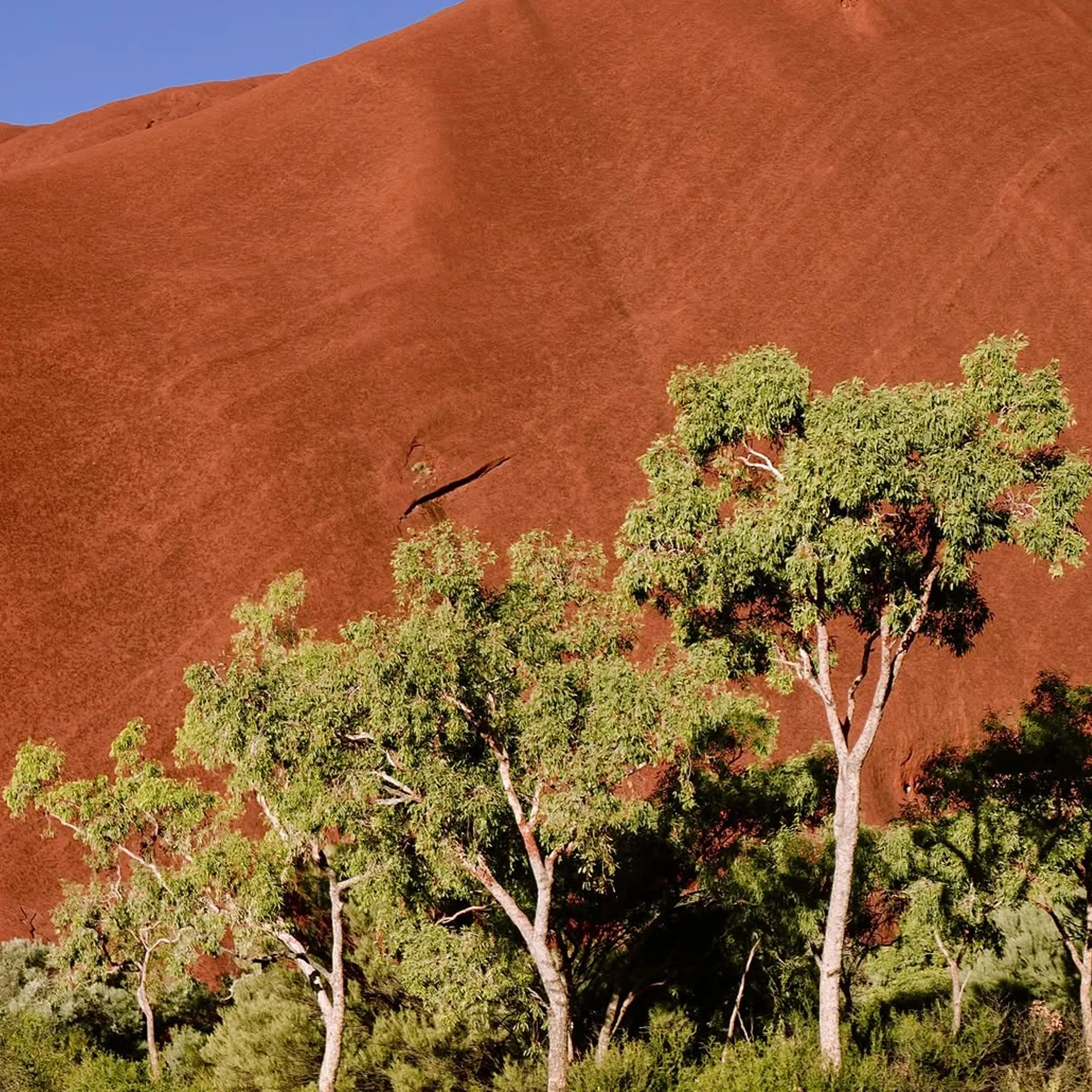
Do not let the calendar fool you into thinking March is mild, it is quite hot. For more walking and less of the outback’s harshest heat, April and May are the better options. There is a certain Uluru sunrise magic in May that for many travellers is the moment the trip ceases to be an exertion and becomes something of an ease.
It is a case of expectation not meeting reality. One is told “desert” and thinks the dry season will be unvarying, yet in the shoulder-season there are swings in the weather. You can put on a jumper in the morning and be in a T-shirt by mid-morning; you may find yourself wanting to have a dinner properly booked up rather than make do with a snack because the day has taken on some structure. All of which is rewarded by the pack-a-layer method when it comes to Uluru sunrise magic.
Winter Suits Walkers
If you are set on walking and sightseeing without the worst of the heat, winter is hard to beat at Uluru 2026. The conditions from June through August are more to an active traveller’s liking and that makes all the difference out in the open at Kata Tjuta or while you are putting in time around the rock. A winter dawn will give you stronger colour contrast and crisp air to go with the Uluru sunrise magic.
Then again there is the cold to contend with. Night-time lows fall in a hurry and if you have dressed as though you were bound for coastal Queensland, any excursion before sunrise will tell on your mood and your ears and fingers. You will be better off in a warm jacket or gloves than attempting to make a thin knit look stylish.
June To August Details
July is near perfect for some since one can do more outdoors and not be done in. It is no wonder travel planning data will put forward winter as the best time for Ayers Rock. In July the Uluru sunrise magic has a dramatic edge to it, but I would caution that the wait in the dark before dawn is quite chilly.
Most people do not allow for the disparity between the night and daytime temperatures. An afternoon may be mild but that does not portend a mild start to your sunrise the following day. Make sure you have a beanie or scarf in the daypack and note the departure times if you are on an Uluru sunrise tour 2026; the whole affair is much nicer when you are not having words with the wind.
Spring Brings Colour And Trade-Offs
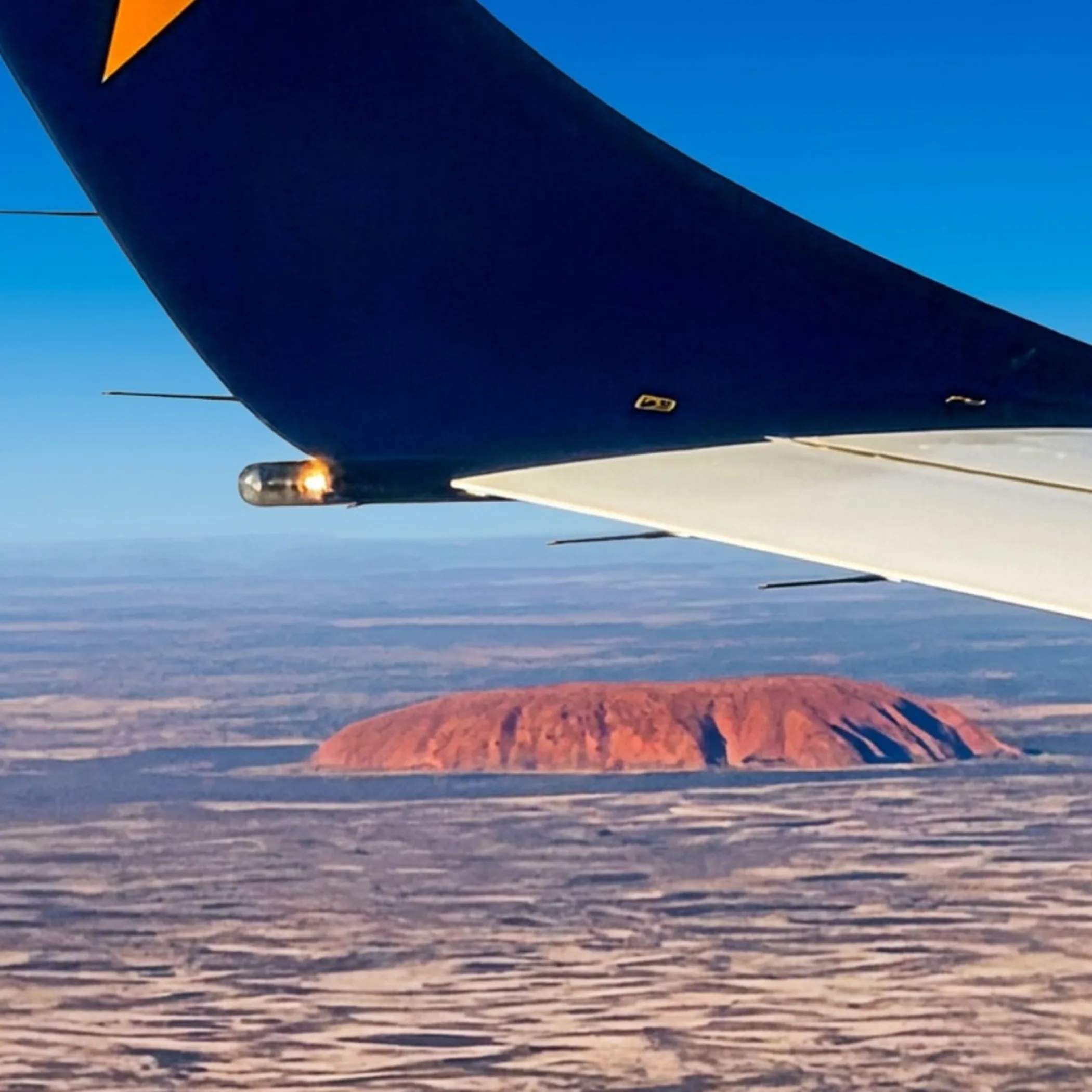
In spring things can be very fine, the early part of the season in particular with its wildflowers and agreeable mornings. For long days outside, good light and a bit of life in the atmosphere, September is a top month at Uluru. Early spring will see you under clean skies with prime photo conditions for the Uluru sunrise magic.
Not so in October and November when it is a more demanding proposition. The heat is quick to build and saps you in the middle of the day; some are left paying for tours they cannot get into due to discomfort. The Uluru sunrise magic is still there but the hours for being out in comfort are fewer.
September To November Details
Should you be in two minds about when to come for your photography and walks, September is the safer bet in spring. As late spring arrives you have to be realistic about your pace and put some thought into sun protection and hydration. The Uluru sunrise magic is at its finest before the day gets going.
I would say spring is for the traveller content to front-load his day. Be up before dawn, have the main event over by late morning, lie low for the hot part of the day and then put in an appearance for the sunset. It is a good way to run things in the red centre, in and around the Ayers Rock Resort and the road links of Uluṟu-Kata Tjuṯa National Park. The two-part day and the Uluru sunrise magic go hand in hand.
Summer Needs A Strategy
This is the season to be circumspect about, particularly if inland Australian heat is not your norm. With December to February you can have severe temperatures and storms, leaving little room for comfort in your sightseeing and walking. The early alarm for Uluru sunrise magic might be justified but it is not the most agreeable time for a lot of visitors.
Impossible it is not, but you have to be more realistic and have a tighter itinerary. On a single day a dawn viewpoint and some cultural activity followed by a rest and a sunset session will suffice. Let the Uluru sunrise magic be what the trip is about, do not put yourself out to hike in this season.
Best Light For Photos
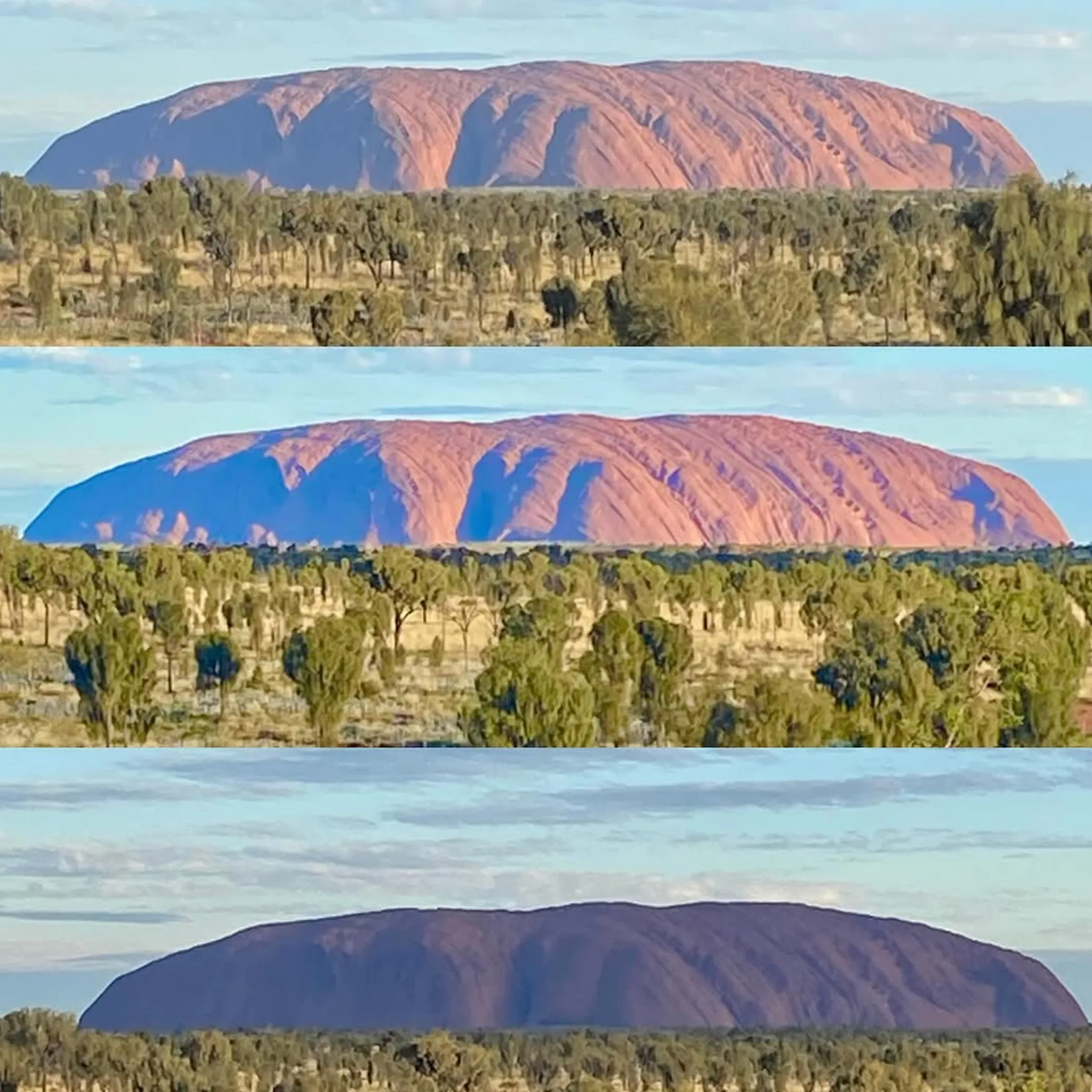
Good camera gear is only half the equation for Uluru sunrise photography; timing is of equal import. The cooler weather of winter and early spring make it far more agreeable to be out in the open from 6.30 am waiting for the light to change, without being left in a damp shirt by the time you have put your capers to good use. There is a headspace required to take in the rock turning red and the nuances of the dawn and dusk colours.
When it comes to stargazing one makes for a better night of it in the cooler months with their clearer skies. You need not be a photographer of any calibre to see why a phone camera performs better in stable air when there is no hurry to get back into the shade. Two nights is enough to pair off a night sky session with the sunrise at Uluru.
Dawn in the Best Months
May through August are prime for viewing the sunrise. September will do as well if one wants some warmth but not the ordeal of peak summer. And for the sake of comfort and making sure the tour departs on time, the reviews and tour operators would have you head there in those cooler months. It is easier to savour what Uluru has to offer when the logistics are in order and heat fatigue is not an issue before you have had breakfast.
Getting To And About
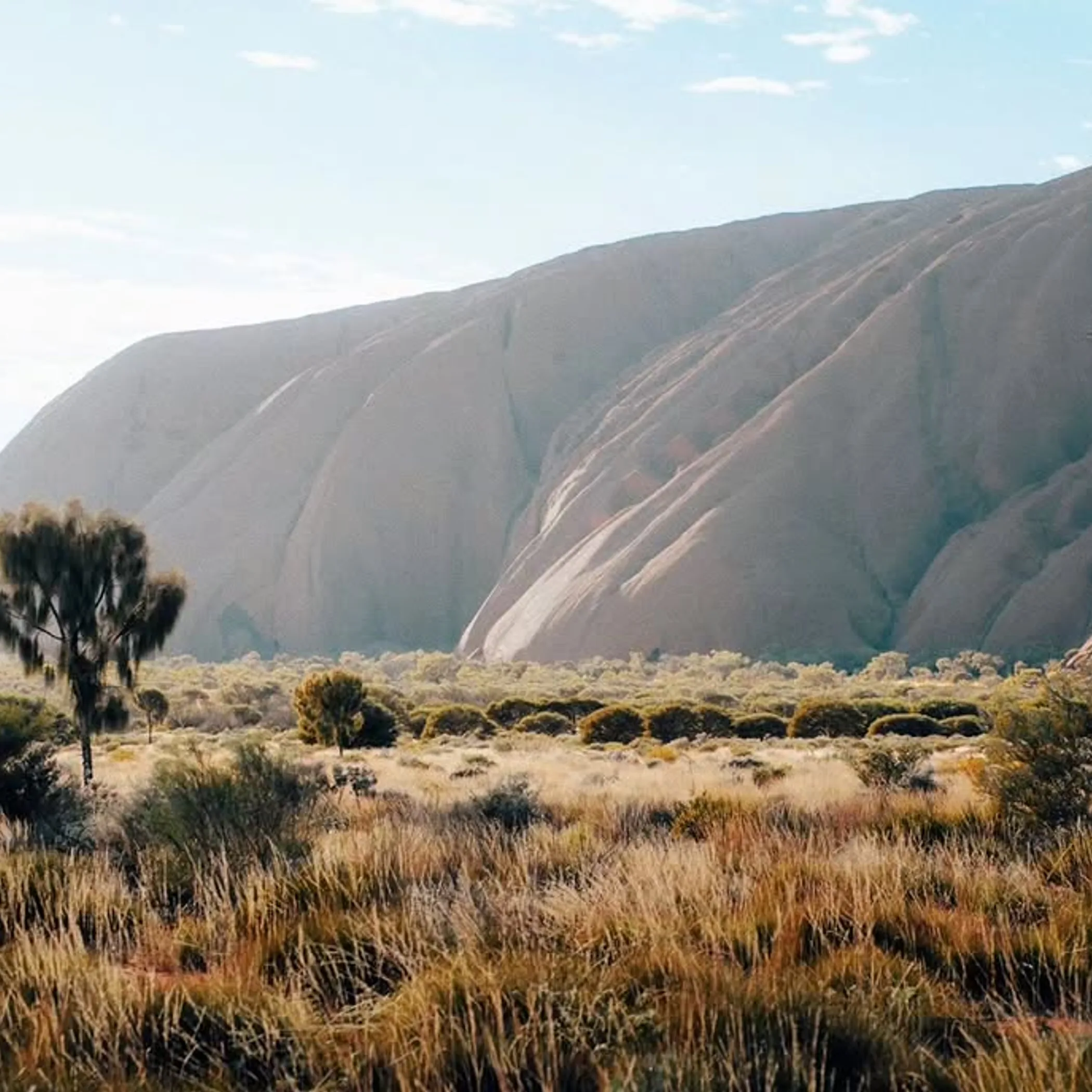
The remoteness of Uluru puts its mark on the trip in ways a first timer might not anticipate. A flight in to Ayers Rock Airport or via Alice Springs is how most get here, then it is a road journey. From Alice Springs the drive is some 450 kilometres. An experienced driver will find the way plain sailing, but I would not advise doing it on a whim after a flight with nothing in the car. Forgetting to plan for fuel and provisions or the like takes the romance out of it.
Ayers Rock Resort of Voyages is where many put down for the night, from which point they will take a hire car or go with an organised tour. The major vantage points and walking areas have parking to accommodate the flow of visitors, but the favoured spots for a sunrise are taken early. Those driving themselves should not count on a five-minute margin; give yourself time in the dark and keep an eye out for wildlife. Being flustered upon arrival is no way to set the mood.
| Activity / Route | Time (realistic) | Who for | What to watch for |
| Uluru Base Walk | 3.5 to 4.5 hours if you stop | The moderately active | Not much shade, water requirements and exposure |
| Sunrise Viewing | 1.5-2 hours (travel and wait included) | For the most part | Very early to rise and cold dawns |
| Kata Tjuta Lookout/Walk | 2-4 hours | Photographers, walkers | The distance and heat |
| One-Day Highlights | Pre-dawn to sunset | Those in for a short stay | Excessive driving, little rest |
Packing With Some Sense
It is a matter of exposure over fashion at Uluru. Have on hand some layers, a hat that will do its job, sunscreen, lip balm, a refillable bottle and shoes for walking. In the warmer months the bush flies are no joke, so put up with a fly net for a few undignified moments. You will enjoy the sunrise all the more when you are not putting insects in the shot.
Autumn and spring call for a warm top for the dawn, sun-safe shirts and decent walking shoes.
Winter means an insulated jacket, long pants, a beanie and moisturiser to counter the dryness.
In summer pack extra water and electrolytes, high-SPF sunscreen and light long sleeves and make a plan for the heat.
Closed footwear is year-round sensible given the hard tracks and dust and the fact morning chills can come on. On Instagram the sunrise at Uluru is all grace; in person you want for comfort.
Seasonal Activities
A traveller does not do himself any favours financially by not tailoring his plans to the conditions. Heat, wind and daylight will make the base walk, a cultural experience or Kata Tjuta seem like different propositions. The sunrise is the most rewarding in a general sense as it is less of a physical demand than a protracted walk and gives you a good feel for the place.
Make the most of a single day with a sunrise at Uluru, an interpretive or cultural stop, some sightseeing you can handle and a break in the middle of the day before heading for the sunset. With two or three days you can put in Kata Tjuta and an evening for the stars. Autumn and winter are best for beginners and older members of the family. Those with a sensitivity to heat or the prospect of an exposed, lengthy walk will find high summer anything but suitable. Then there is the matter of Uluru sunrise magic, which has an appeal for nearly all; trying to force it in poor conditions does not.
Costs And Trip Planning
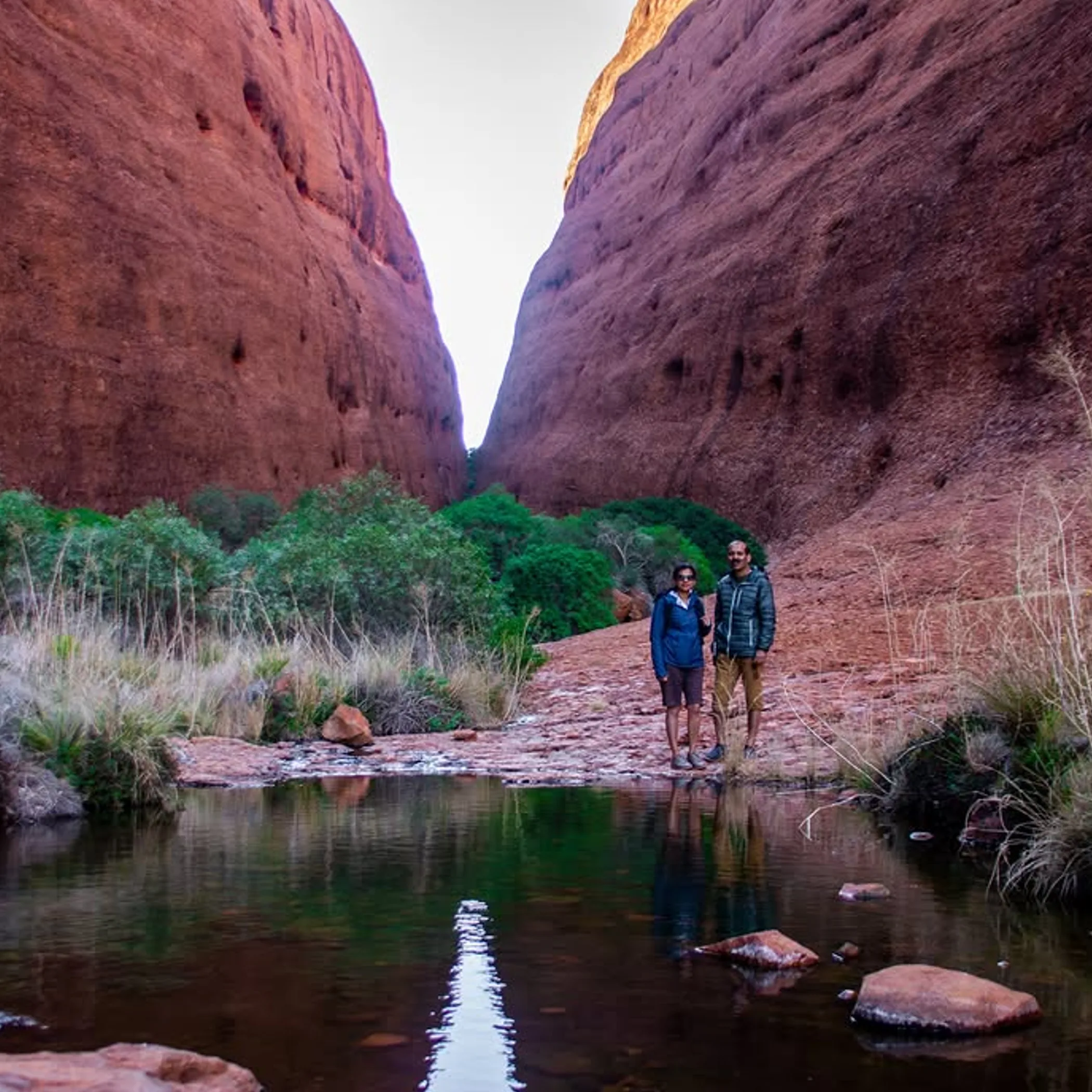
One is apt to make the error of supposing that remote Australia will put on the airs of a city break with its open-ended options and pliable prices. It is not so. You will see flights, tours and rooms book up, and the locale will put a premium on food. A sensible budget for the traveller covers resort fees, park entry, local transport or a car if one is disinclined to self-drive, and meals. The sunrise at Uluru is free to be had, but making your way to it in comfort is not.
In putting together a plan, do not be without current information from Parks Australia as regards Uluṟu-Kata Tjuṯa National Park, nor fail to confirm tour departures and any access notes with your operator or where you are staying. Rules and prices have a way of changing and a remote destination will not put up with old assumptions. A screenshot off another’s itinerary will not do when you want to enjoy the sunrise properly.
Safety And Real-World Tips
Poor timing, overconfidence, dehydration and the heat are the principal hazards. On a day of walking, take more water than seems necessary. Make an early start and shield your skin; the dry season is no guarantee against weather problems. Your job is to return safely, the sunrise being what brought you there in the first place.
Pacing is another thing that is often misjudged. Cram in a sunset, some bad sleep, a long drive and a full walk and the trip will have a flatness to it. Put in some rest and a good meal. An hour left blank in the schedule is time well spent in the bush, it can be the difference maker. The impact of Uluru sunrise magic is greater when you are not half delirious with exertion.
Before you travel and once you have arrived, look over the park and weather updates.
For the peak cooler months, get in early with your bookings for a car, room or sunrise tour.
Water, sun protection and snacks should be in hand for every day, even the short excursions.
Factor in some leeway for dark roads and wildlife.
When in doubt, May to August will give the most trouble-free experience.
Common Questions Answered
Travellers are wont to ask these questions, and rightly so. Uluru is deceptively straightforward on paper until you come to decide on the dates, what to pack and how many nights to put down. The headline may be the sunrise, but it is the nitty-gritty of the practical side that makes for a stress free or otherwise trip.
What Is The Best Month To Go To Uluru?
The answer for the majority is to go in May, June, July or August. Daytime is more tolerable, stargazing and viewing the sunrise are better served by the conditions. September is a fair compromise if cold dawns are not to your taste. In the cooler months the Uluru sunrise is very much to be relied upon.
When Not To Visit Ayers Rock?
From late October into February the outback can be punishing, making this the worst of times for many. It is not impossible to visit then, but less so for protracted outdoor pursuits and certainly less comfortable. The sunrise will still be there, but the rest of the day is likely too hot for any easy going.
How Many Days Is Enough To Visit Uluru?
Most will be content with two or three days. You could do Uluru in a day and catch a sunrise, but it is a rush. Two or three allows you to see Kata Tjuta and have a proper dawn session without having to make for the airport in a hurry.
What Clothes Should I Wear At Uluru?
Sensible clothing is called for by the midday sun and desert mornings alike. Closed shoes, layers, a broad-brim hat and the like. A beanie and jacket in winter for the cold, in warmer weather a long sleeve of breathable material and more water.
Are Bush Flies Really That Bad?
In the warm they can be. You will not be swarmed each day but enough to warrant preparation. There is nothing glamorous about a fly net, but then again neither is having to swat at your face the whole time you are out. The sunrise at Uluru is not diminished by such practicalities.
Final Travel Takeaway
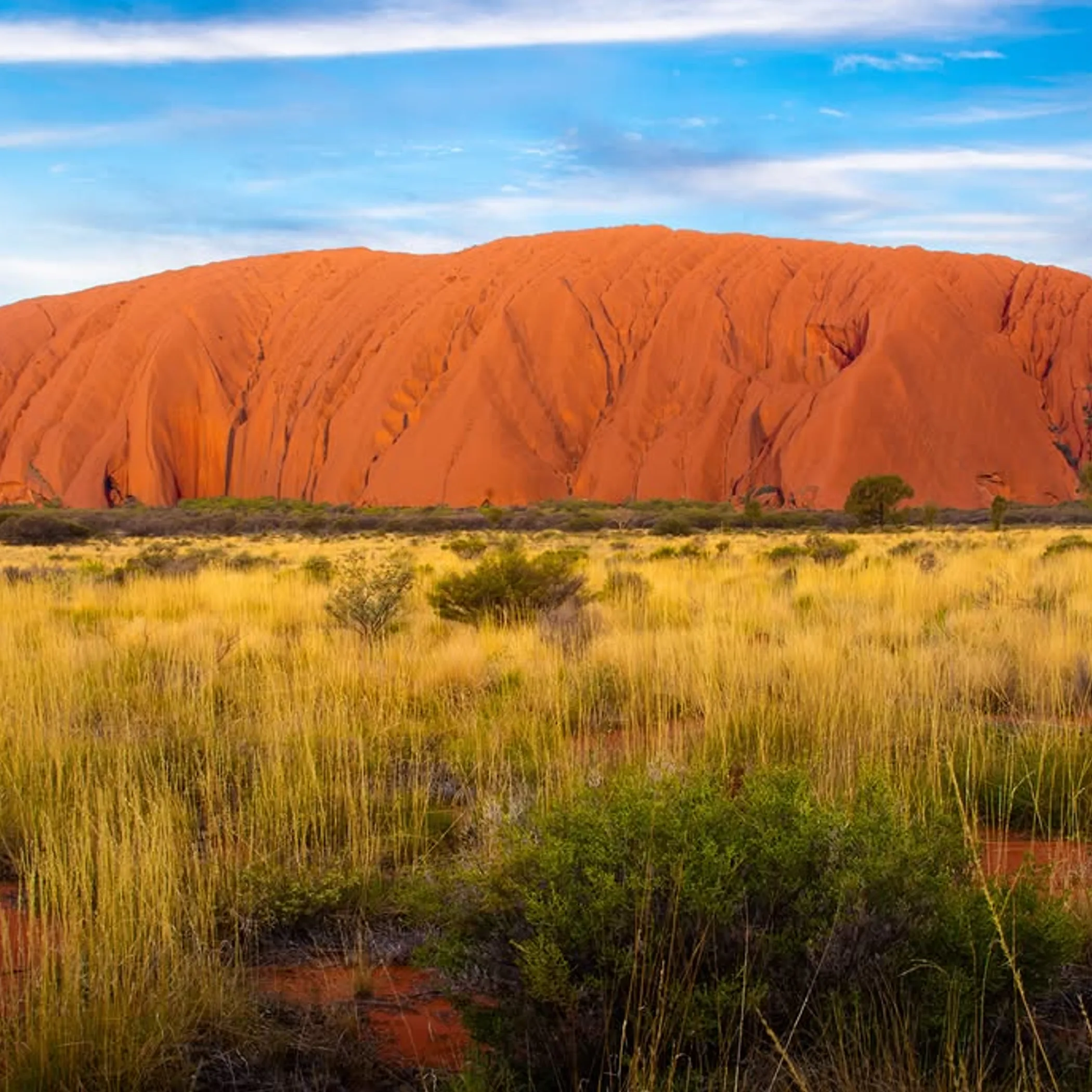
The surest way to put to rest any question of when to make for Uluru is to go in the late autumn or winter. From May through August one will find the most dependable conditions for a comfortable day out, be it for some walking or photography or just to enjoy oneself. Should you be inclined to something a bit warmer, September makes an acceptable alternative; in summer a more pared-down and circumspect approach is called for. There is no denying the magic of an Uluru sunrise at any time of year, yet as a rule you are better off working with the desert than attempting to best it.
A 2026 itinerary for the discerning traveller can be kept straightforward: allow for two nights minimum, get an early start and pack for the worst of it, and you will have made the right call. The likes of Ayers Rock and Kata Tjuta, indeed all of Uluṟu-Kata Tjuṯa National Park, are not hard to like, but proper timing makes them far more agreeable. After that the Uluru sunrise takes care of itself.